Bernese Oberland
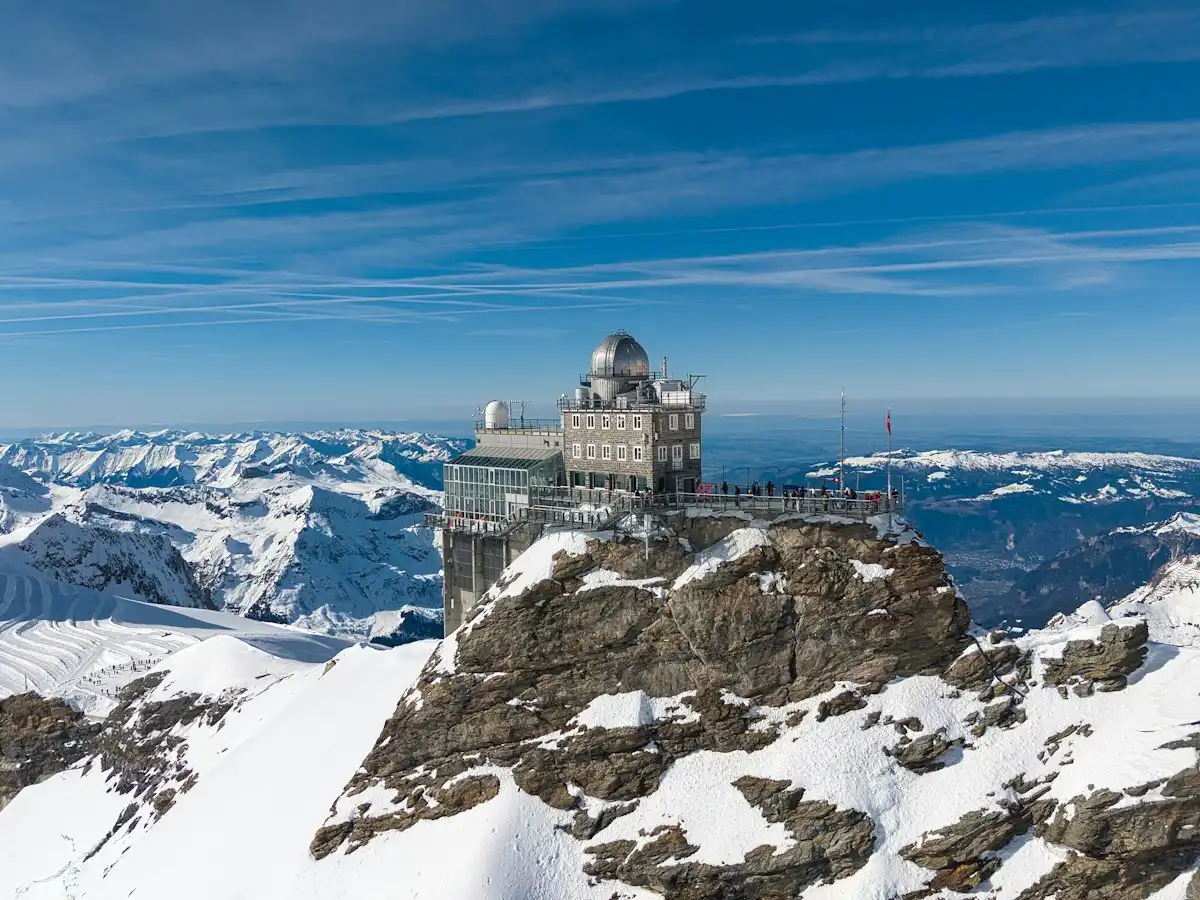
Jungfraujoch — Top of Europe
The railway tunnels through the Eiger to Europe’s highest station at 3,454 m. Step out onto the Sphinx terrace above the Aletsch Glacier.
Go on a clear morning and check the summit webcam first.
Things to do
Six ways into Switzerland — from Europe’s highest railway station to a 4 a.m. carnival in Basel. Chosen by our guides, tested by our guests.
(01) Peaks & lifts
Cogwheel railways, gondolas and cable cars put 3,000 m summits within reach of anyone with a ticket and a warm jacket.
Bernese Oberland
The railway tunnels through the Eiger to Europe’s highest station at 3,454 m. Step out onto the Sphinx terrace above the Aletsch Glacier.
Go on a clear morning and check the summit webcam first.
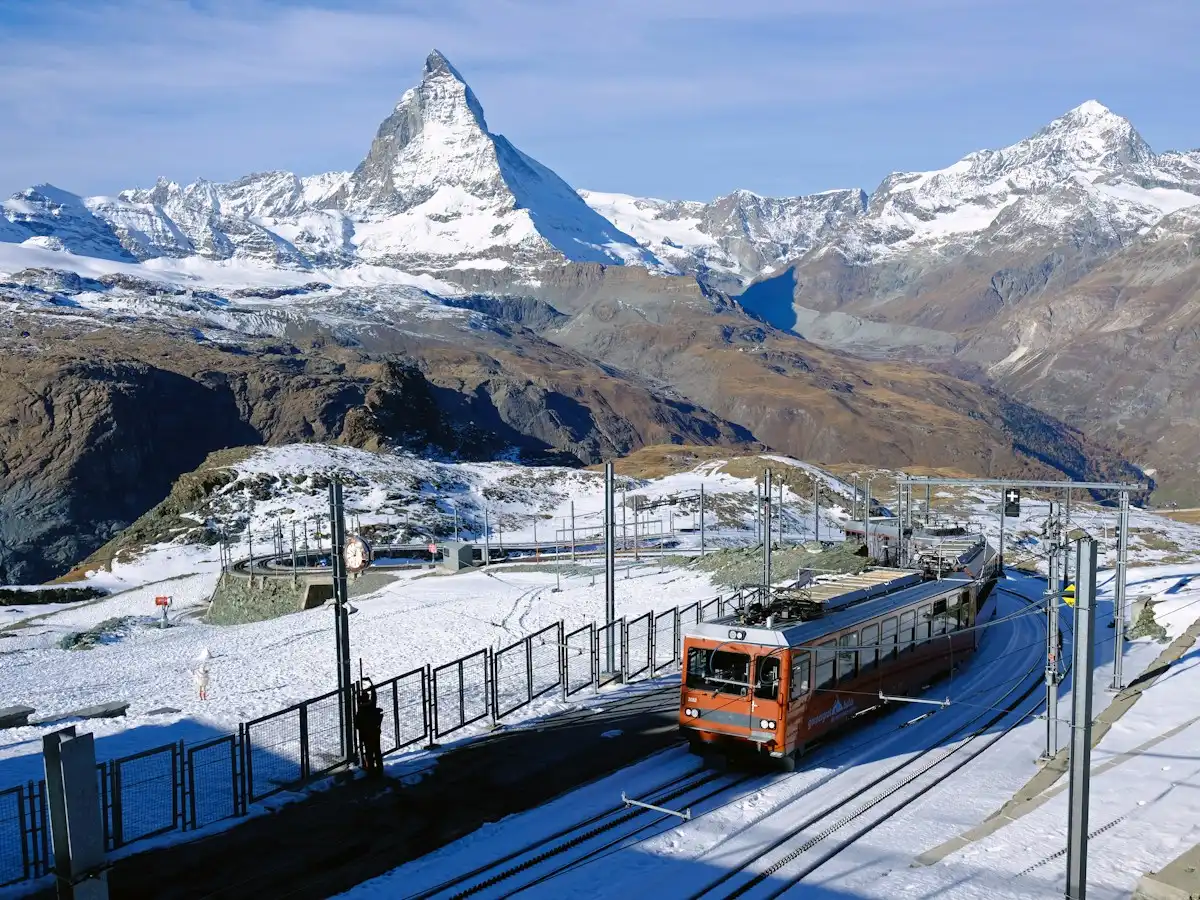
Zermatt, Valais
A cogwheel train climbs from Zermatt to 3,089 m, opening up a ring of 4,000 m peaks with the Matterhorn front and centre.
Sit on the right-hand side going up for Matterhorn views.
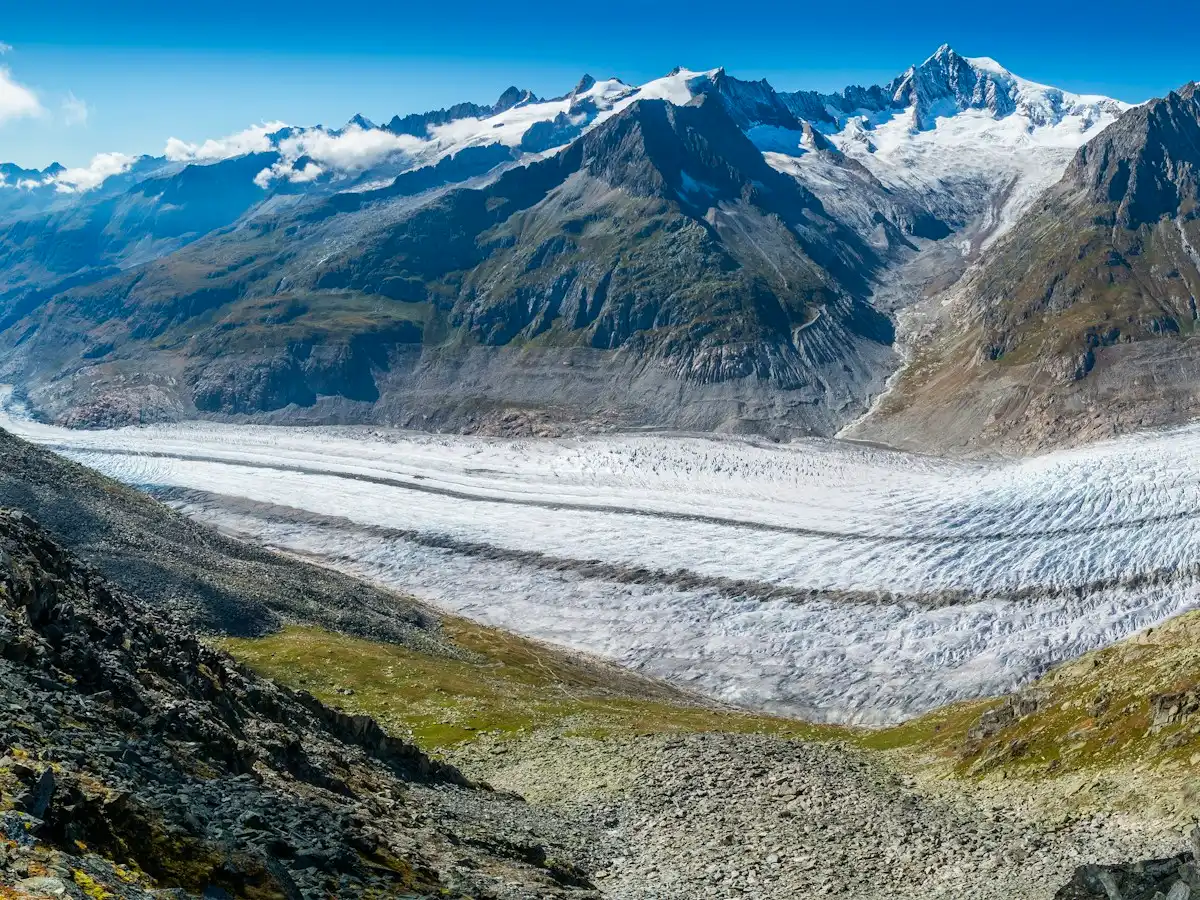
Aletsch Arena, Valais
The longest glacier in the Alps, a river of ice about 20 km long. Ridge-top viewpoints at Eggishorn, Bettmerhorn and Moosfluh.
The ridge walk between Bettmerhorn and Moosfluh is mostly level.
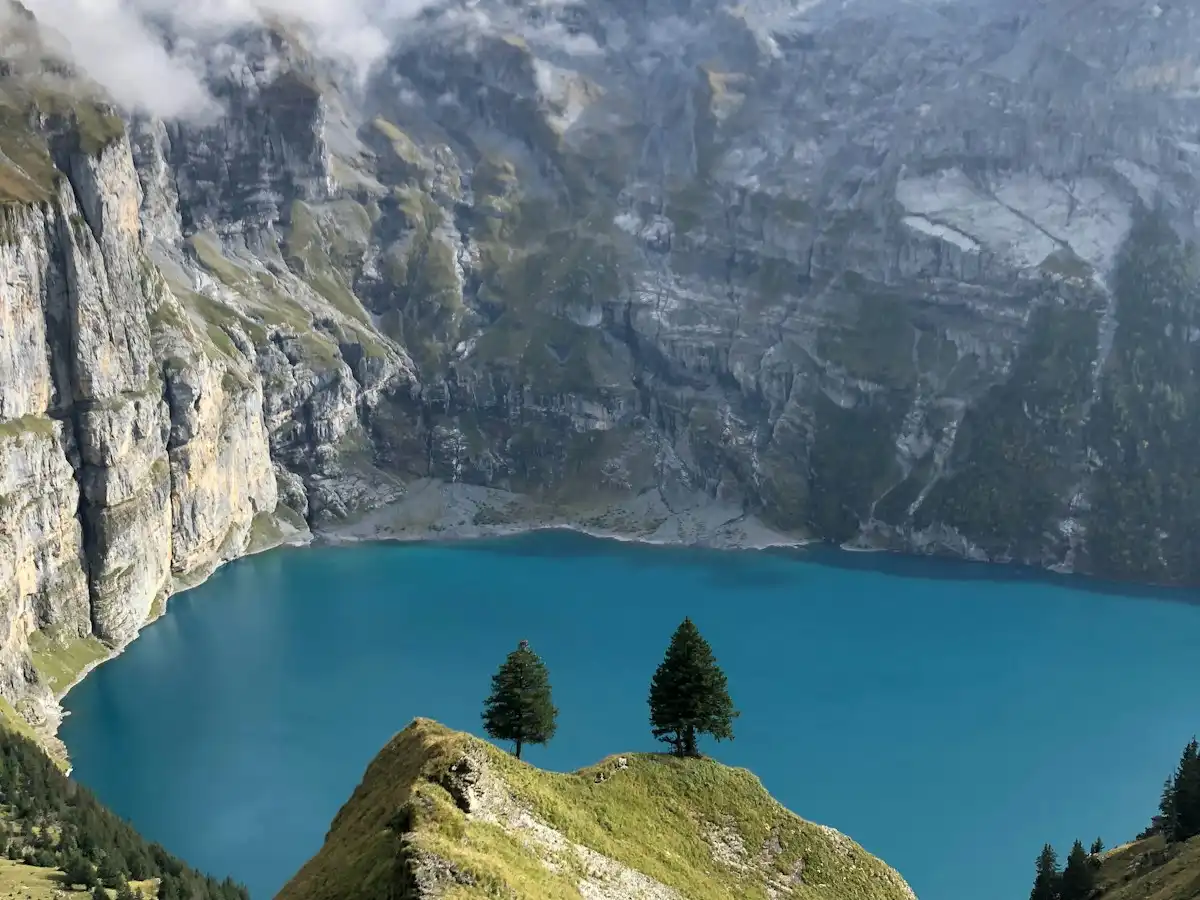
Kandersteg, Bernese Oberland
A turquoise lake under 3,000 m cliffs. Ride the gondola, walk 20 minutes down, and rent a rowing boat if the water is calm.
Loop back via the panorama trail above the lake.
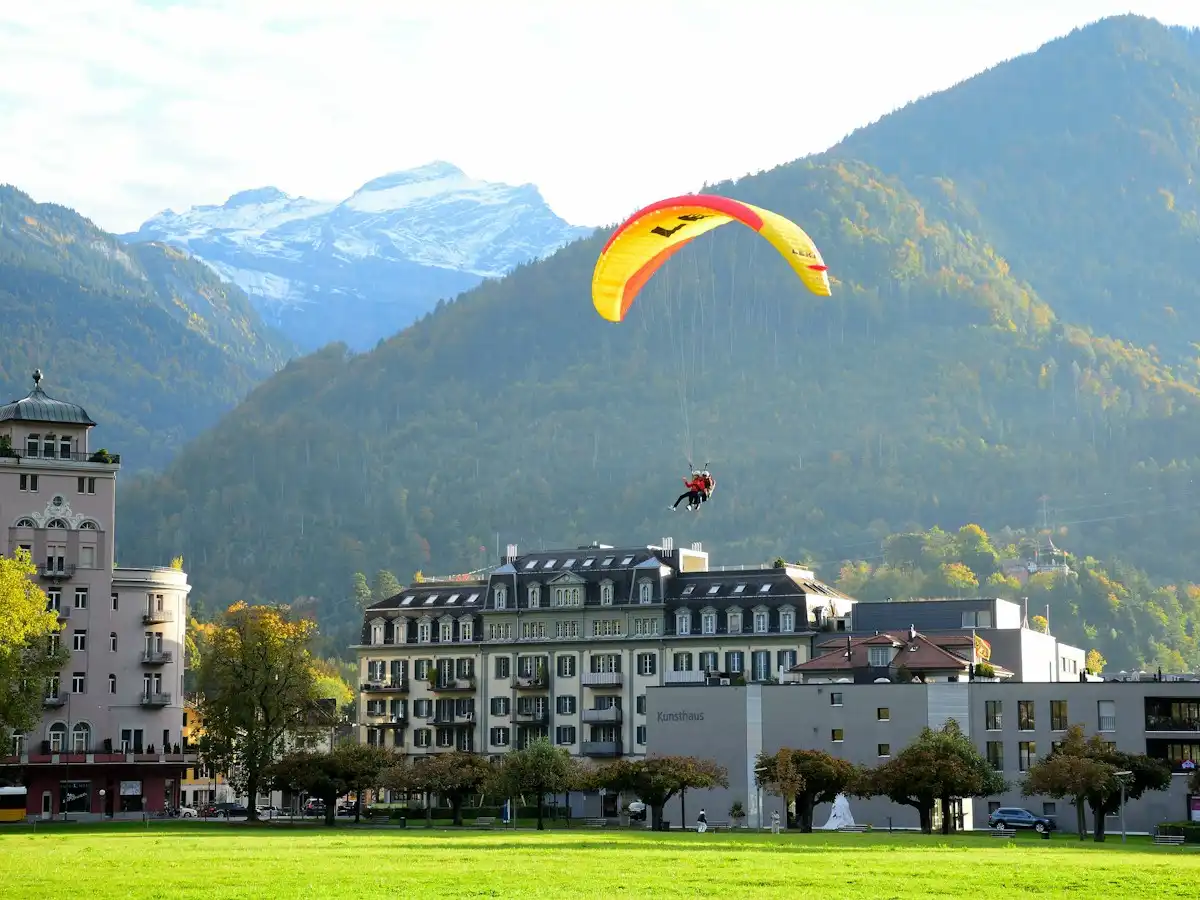
Interlaken
Launch from above the town and spiral down between Lake Thun and Lake Brienz, landing on the Höhematte meadow in the centre of Interlaken.
Book for the morning — the air is calmer.
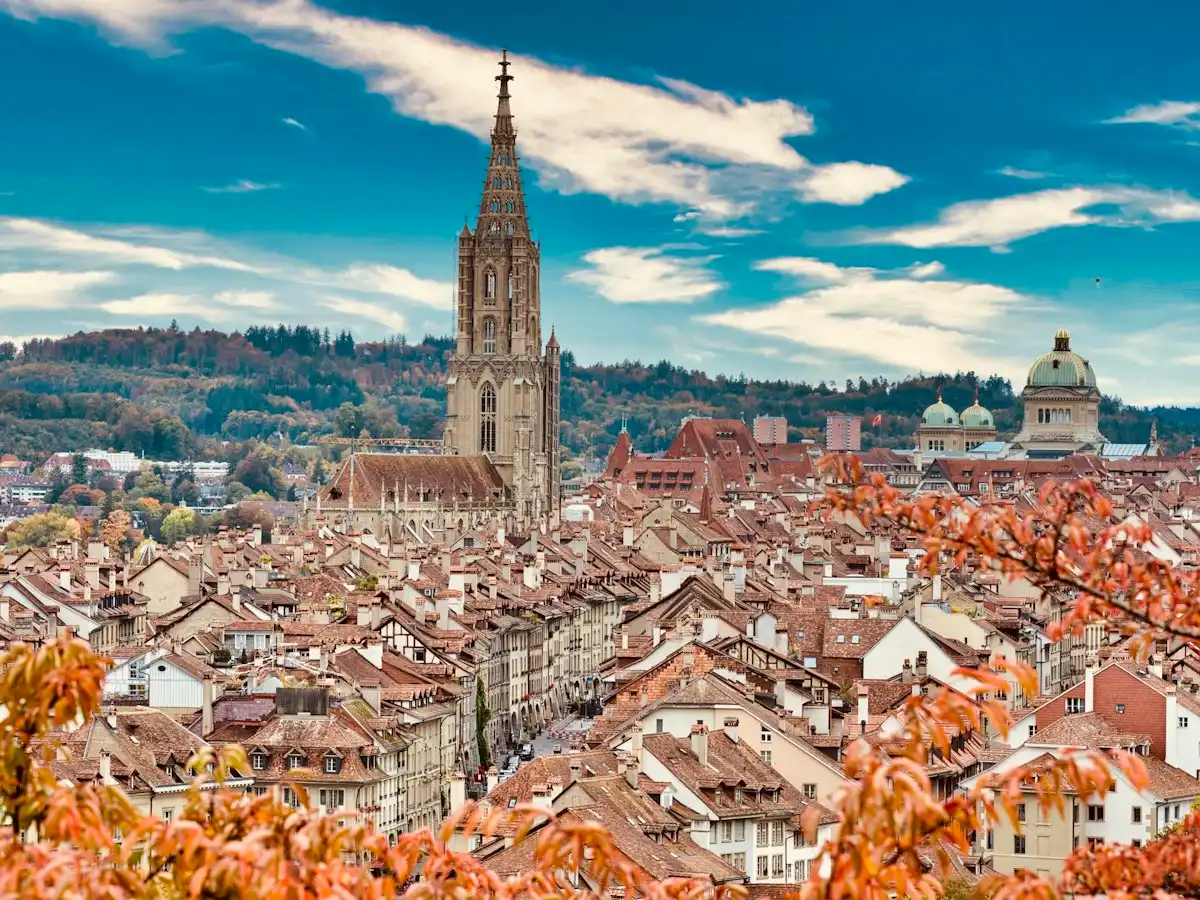
Bern
Not a peak, but a high point: six kilometres of sandstone arcades and fountains, all inside a UNESCO World Heritage Site.
Watch the Zytglogge clock’s figures perform just before the hour.
(02) Scenic trains
Switzerland’s panoramic trains turn a transfer into the best day of the trip. Most run with a Swiss Travel Pass plus a seat reservation.
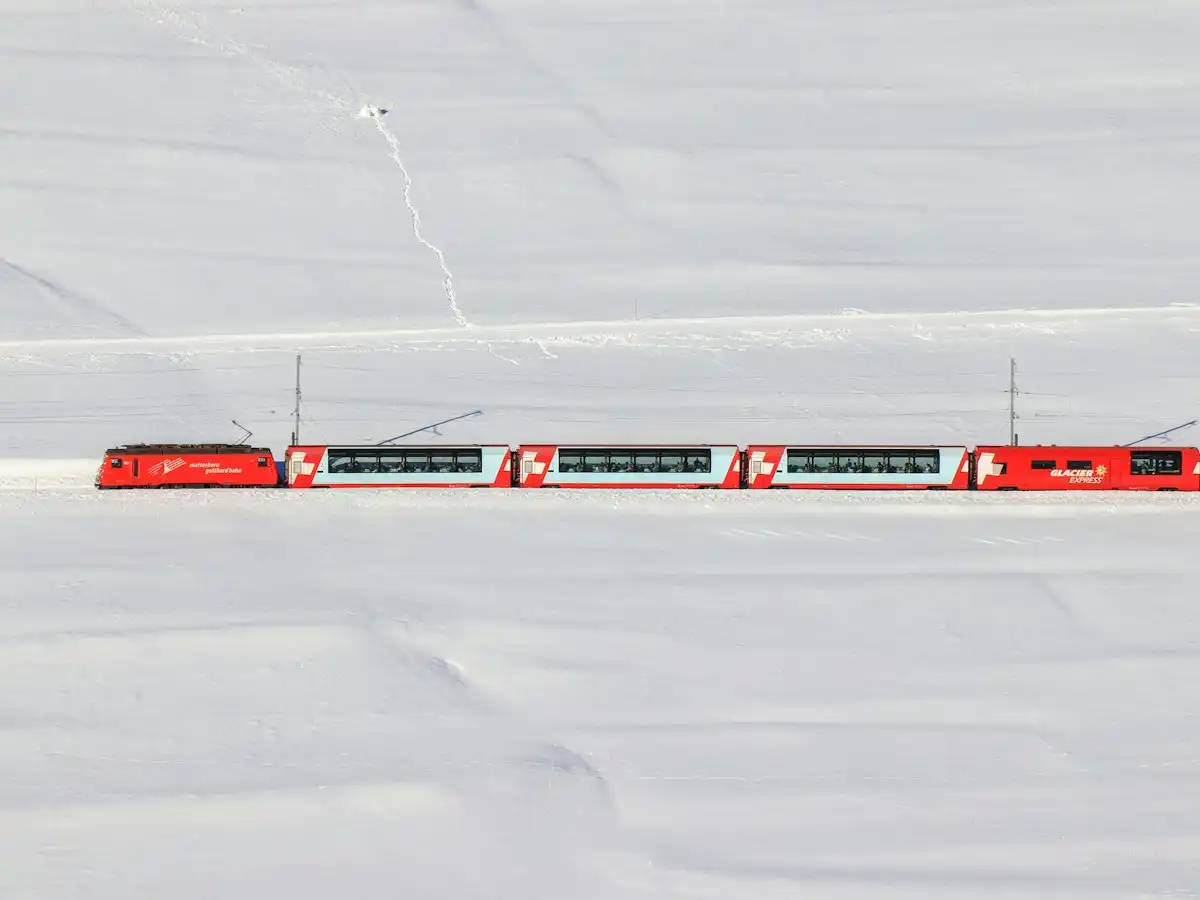
Zermatt → St. Moritz
About eight hours, 91 tunnels and 291 bridges, over the Oberalp Pass at 2,033 m. Lunch is served at your seat.
Reservations are required and sell out in summer.
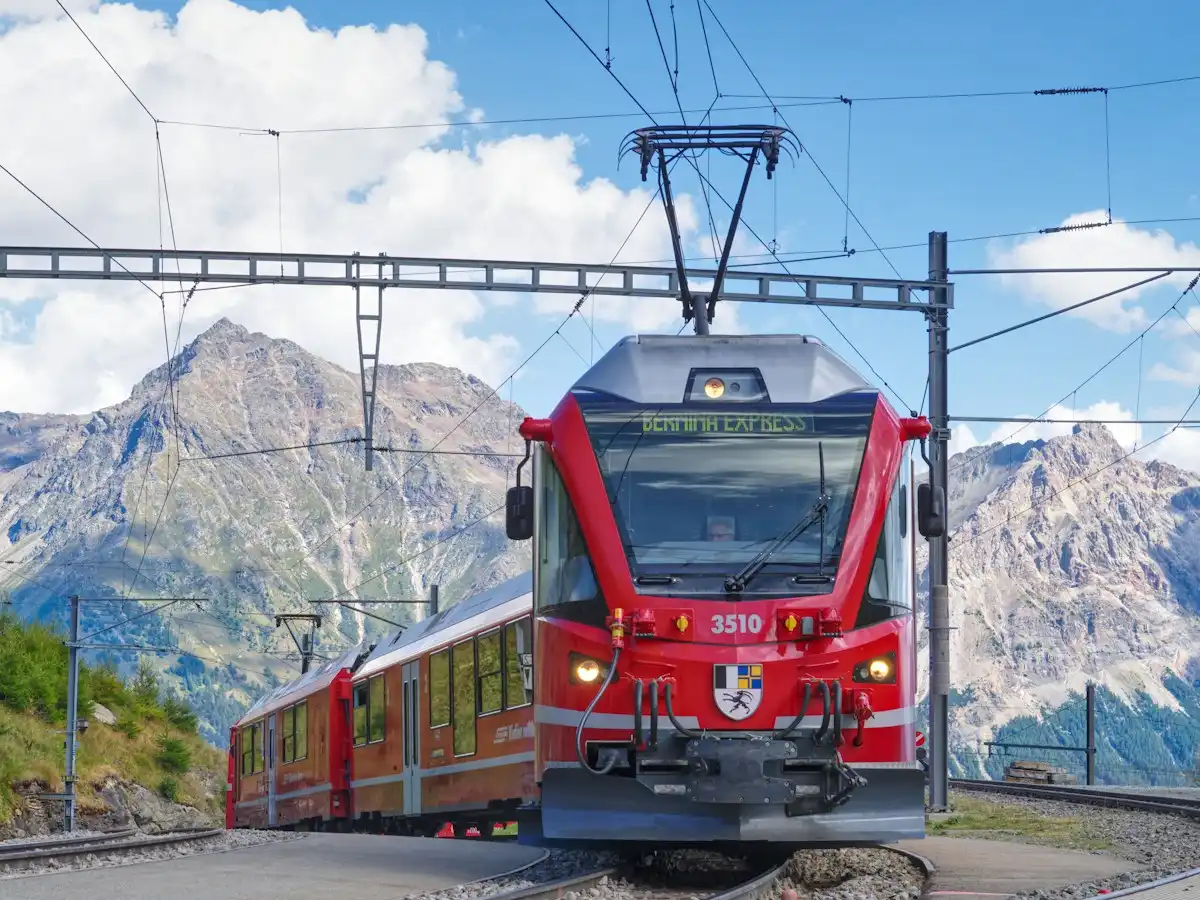
Chur or St. Moritz → Tirano
Over the Bernina Pass without a single rack section, past glaciers and down the spiral viaduct at Brusio into Italy.
Part of the Rhaetian Railway UNESCO World Heritage line.
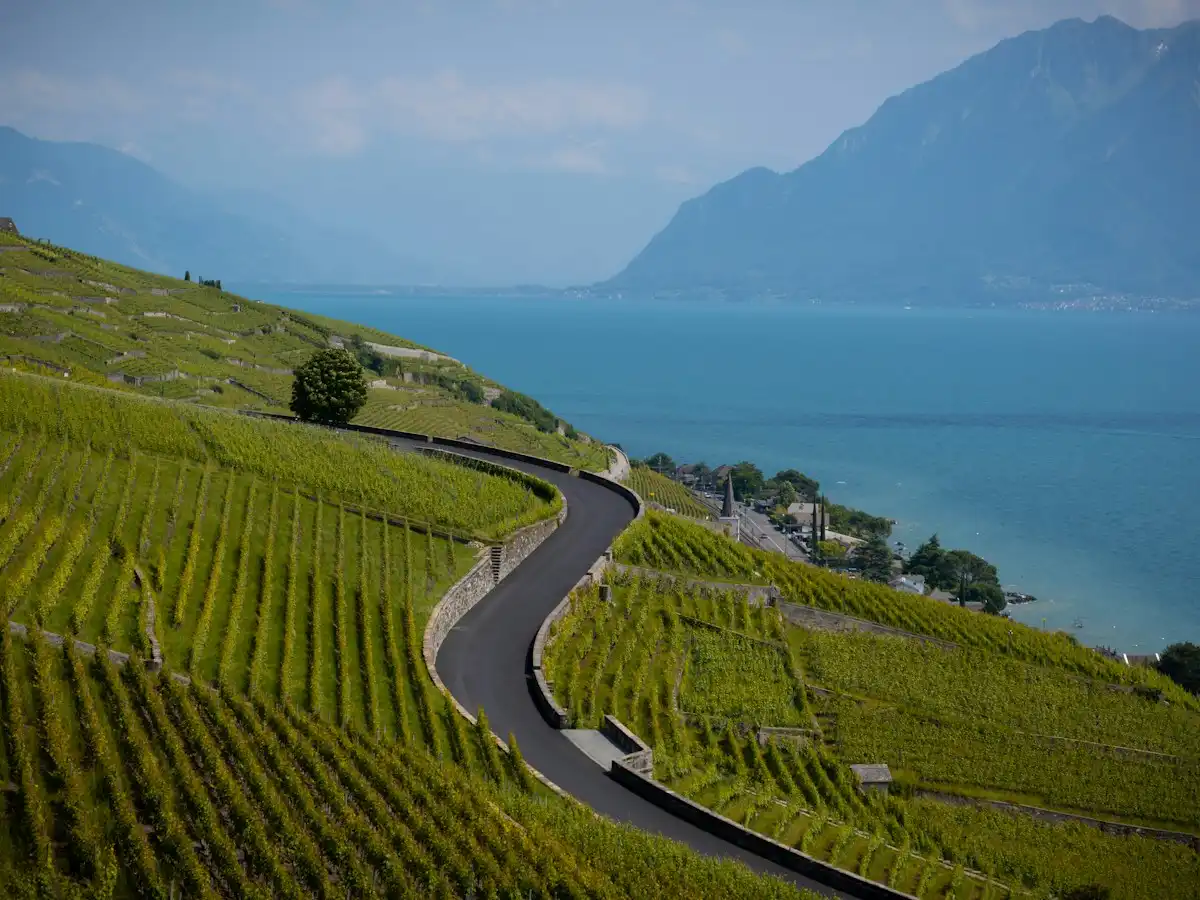
Montreux → Interlaken
From Lake Geneva’s vineyards to the Bernese Oberland, through the cheese country of Gruyère and the chalets of Gstaad.
Prestige class has lowered seats with bigger windows.
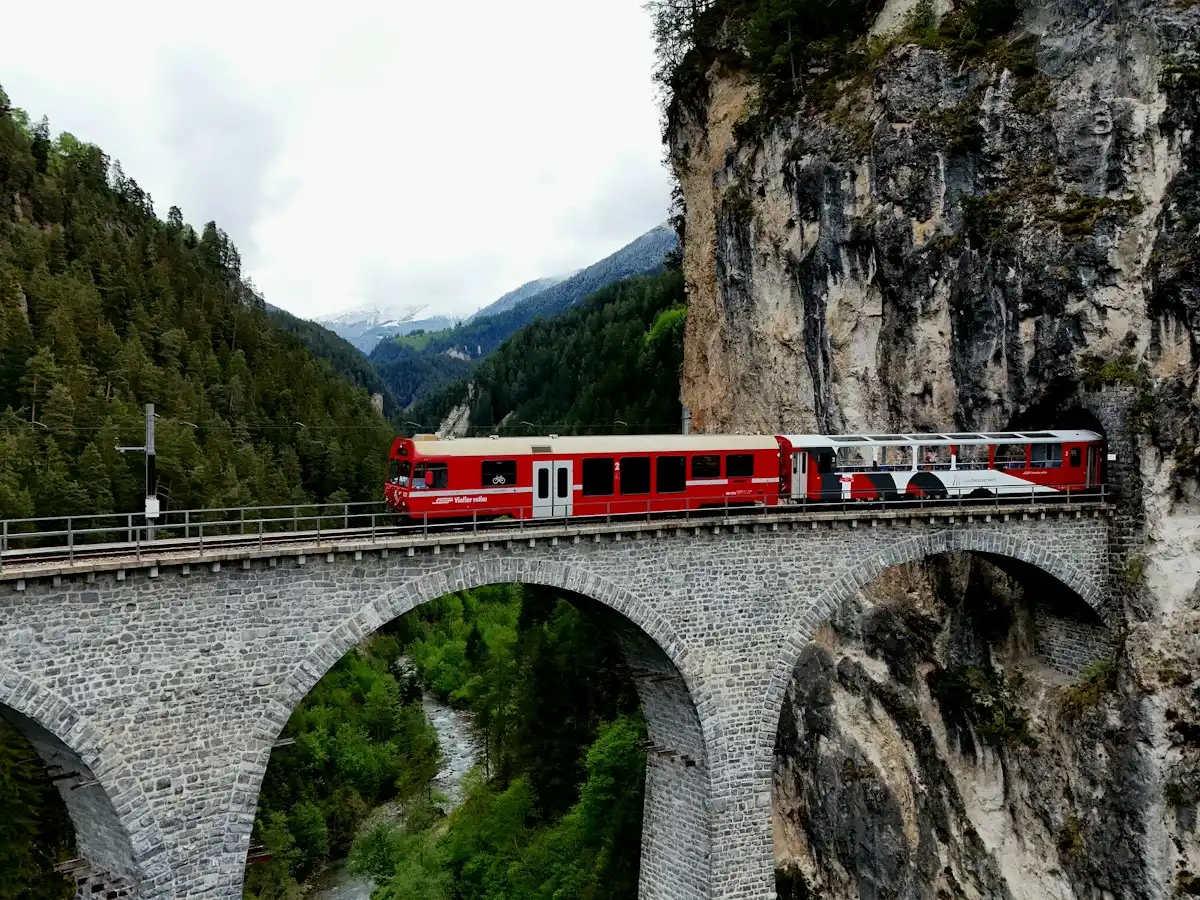
Filisur, Graubünden
The curving stone viaduct that runs straight into a cliff tunnel. Ride across on the Albula line, then walk to the viewpoint below.
A signposted trail from Filisur station takes about 30 minutes.
(03) Lakes
Swiss lakes are clean enough to swim in and served by historic steamers that run like trains.
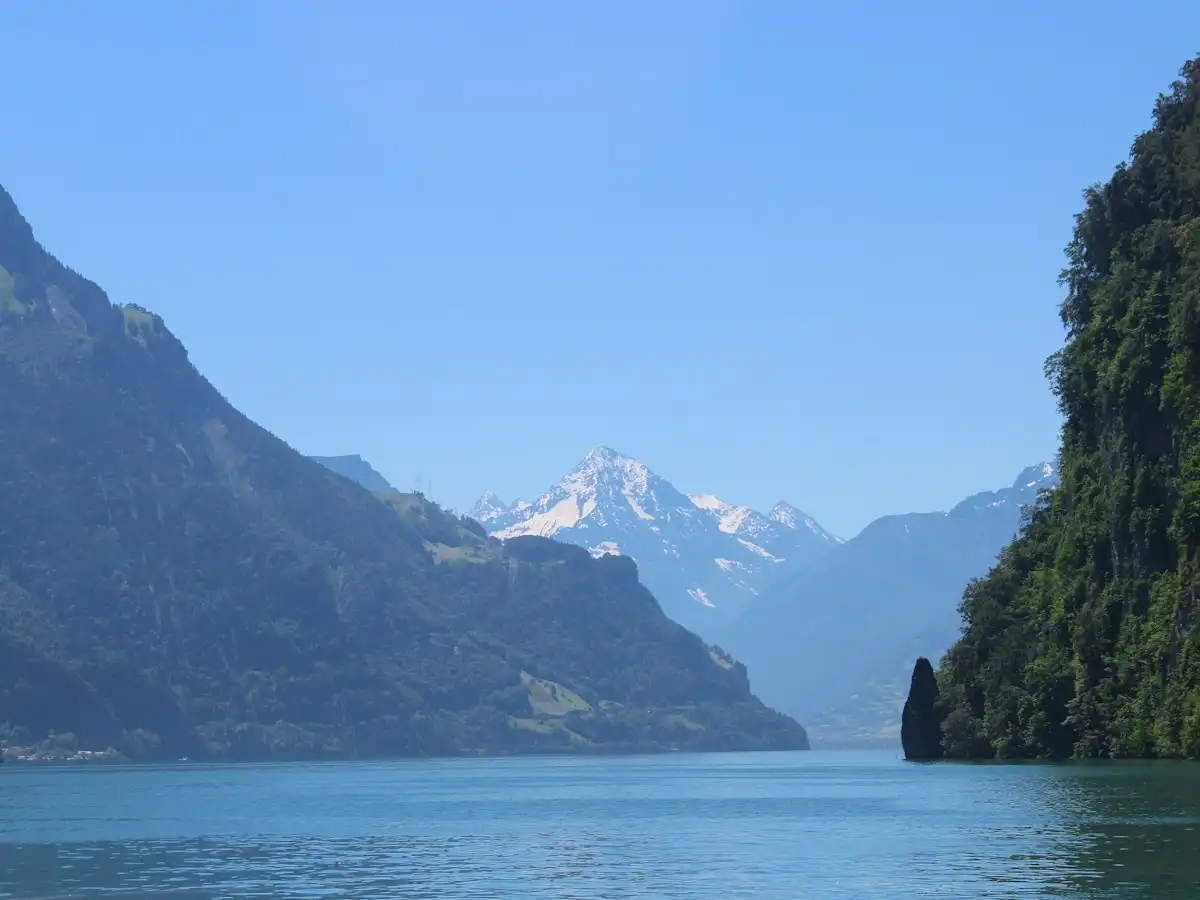
Lucerne → Vitznau → Flüelen
Restored paddle steamers sail between Lucerne and the villages of the lake, with rack railways waiting at Vitznau for Rigi.
Covered by the Swiss Travel Pass.
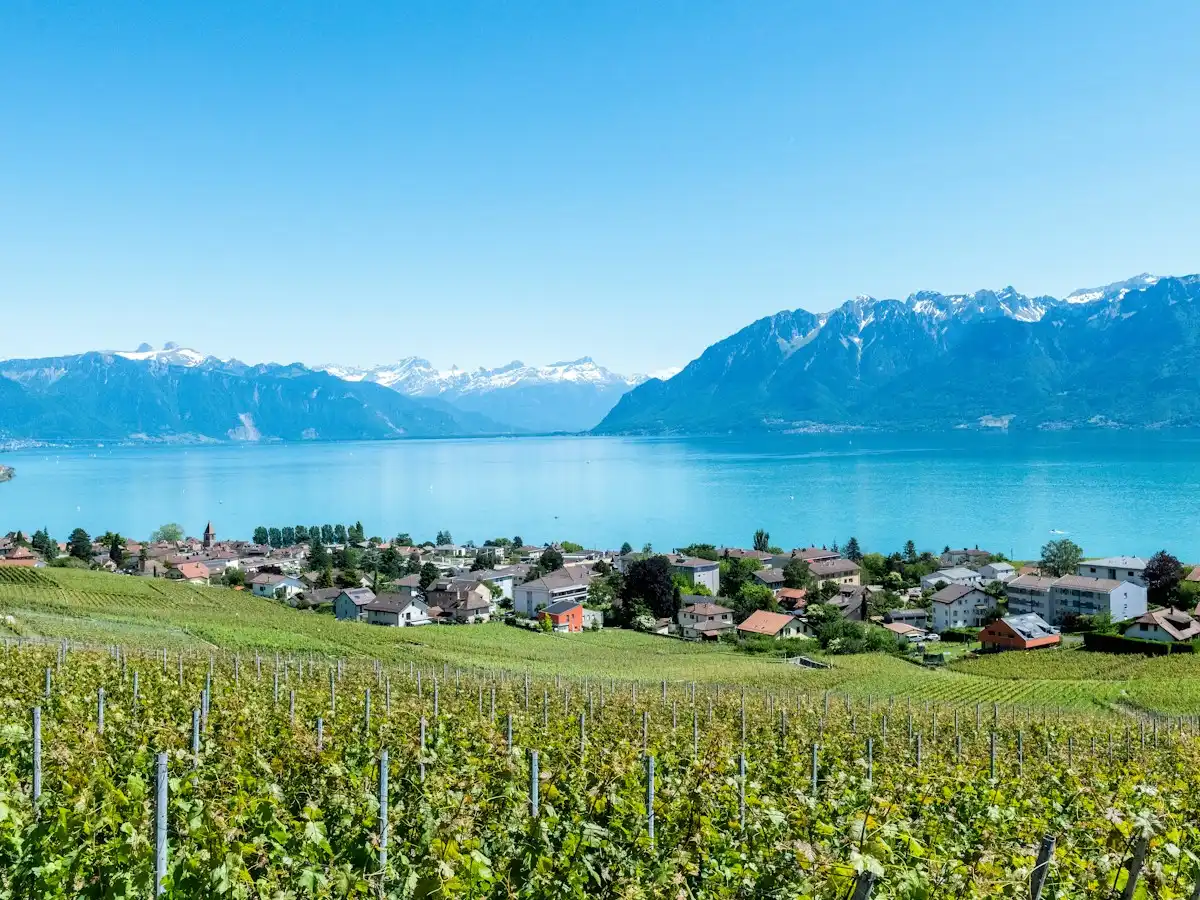
Lake Geneva
Stone-walled terraces dropping straight into the lake, a UNESCO site since 2007. Walk between villages and taste Chasselas at the cellar door.
Lutry to Saint-Saphorin is a gentle half-day.
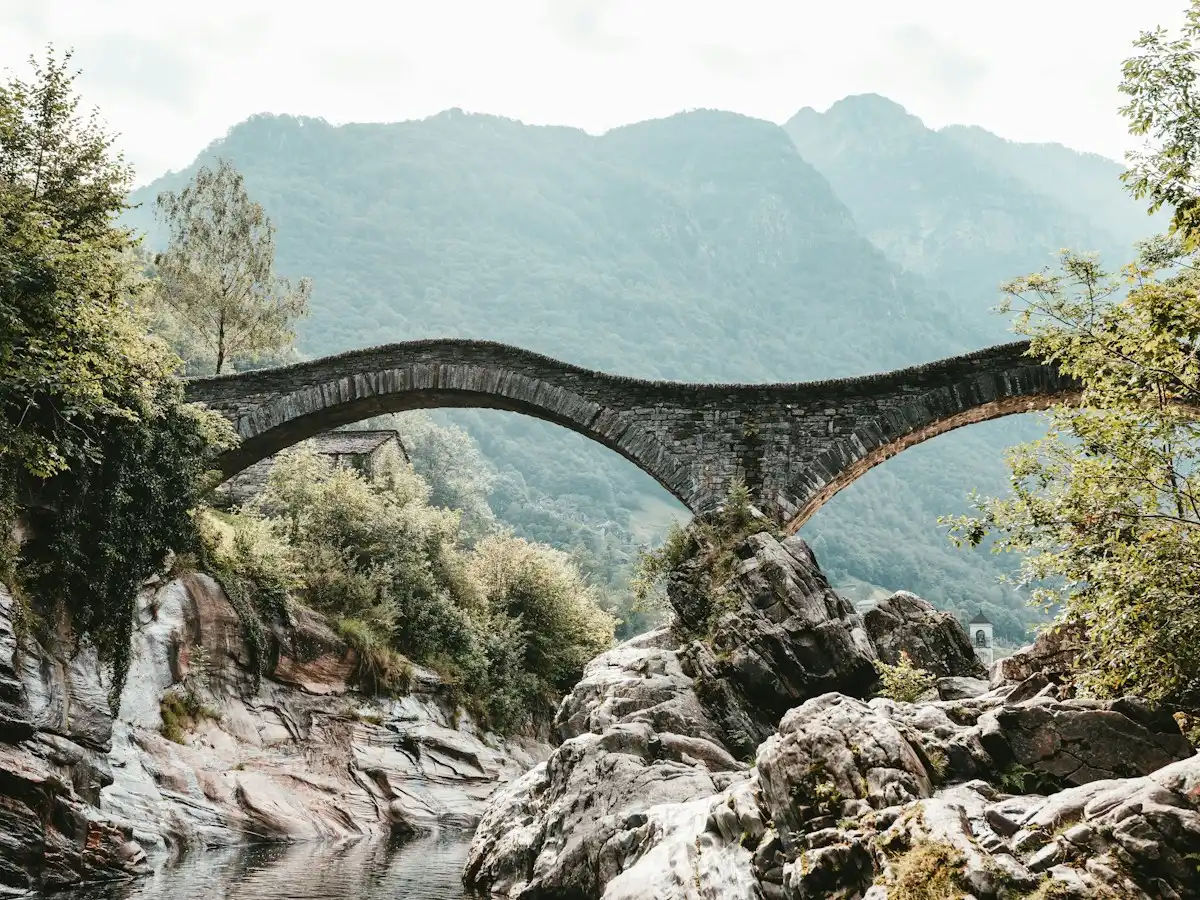
Ticino
Emerald water over granite, stone villages and the double-arched Ponte dei Salti at Lavertezzo.
The river is cold and fast — swim only in calm pools.
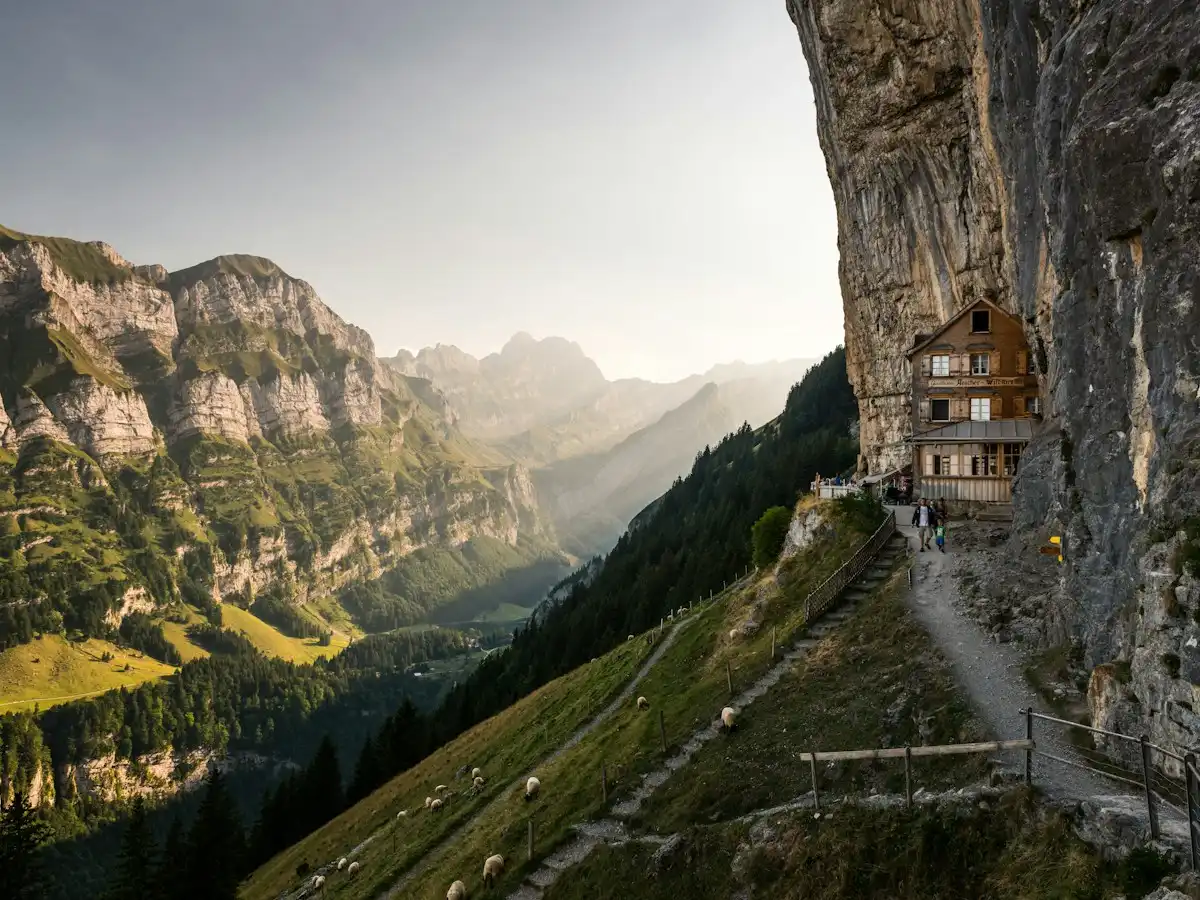
Appenzell
Ride up to Ebenalp, walk down past the cliff-side Aescher guesthouse and on to the green mirror of Seealpsee.
Wear proper shoes; the path below Aescher is steep.
(04) Food & drink
Swiss food is mountain food: built for cold evenings and hungry walkers, and best eaten slowly.
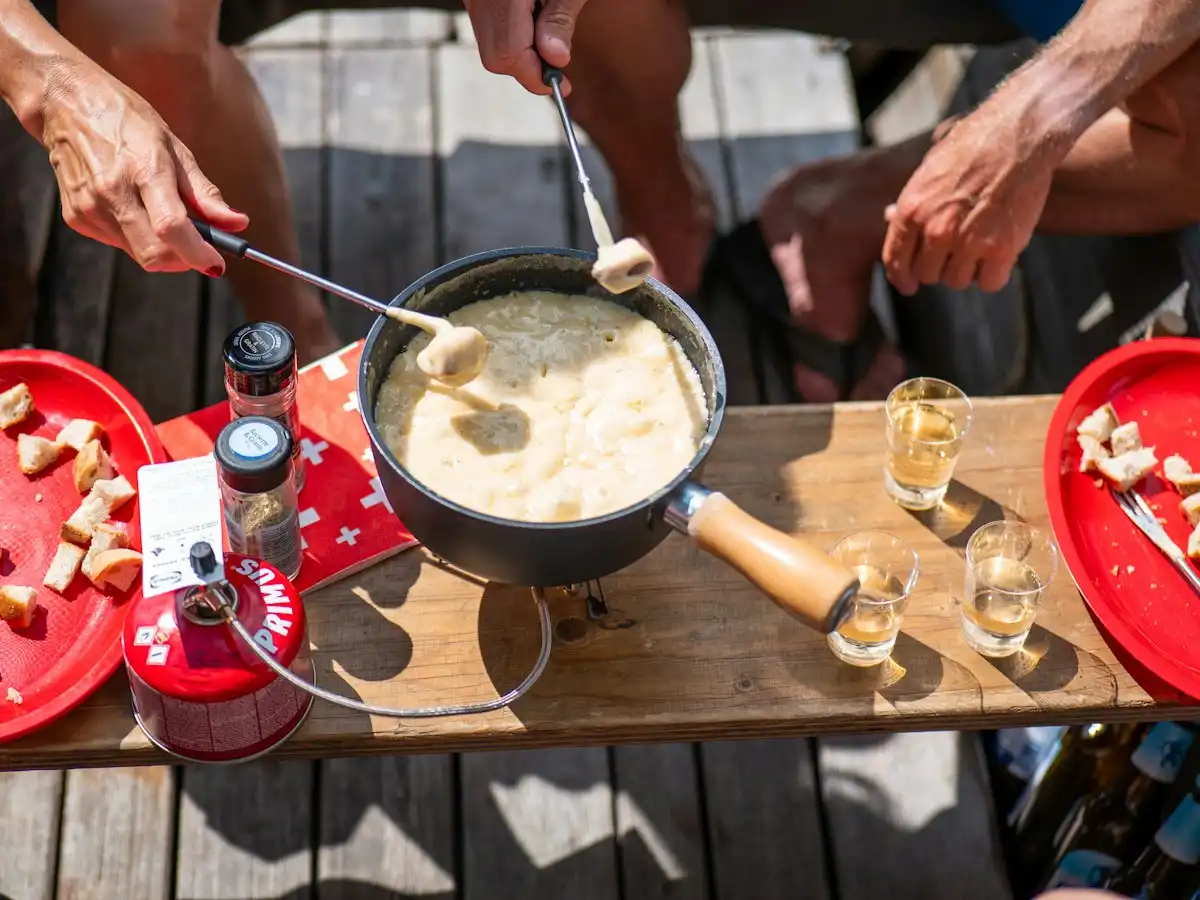
Fribourg & everywhere
Moitié-moitié is half Gruyère, half Vacherin Fribourgeois, with white wine and a splash of kirsch. Stir in a figure of eight.
Tradition: lose your bread in the pot and you buy the next round.
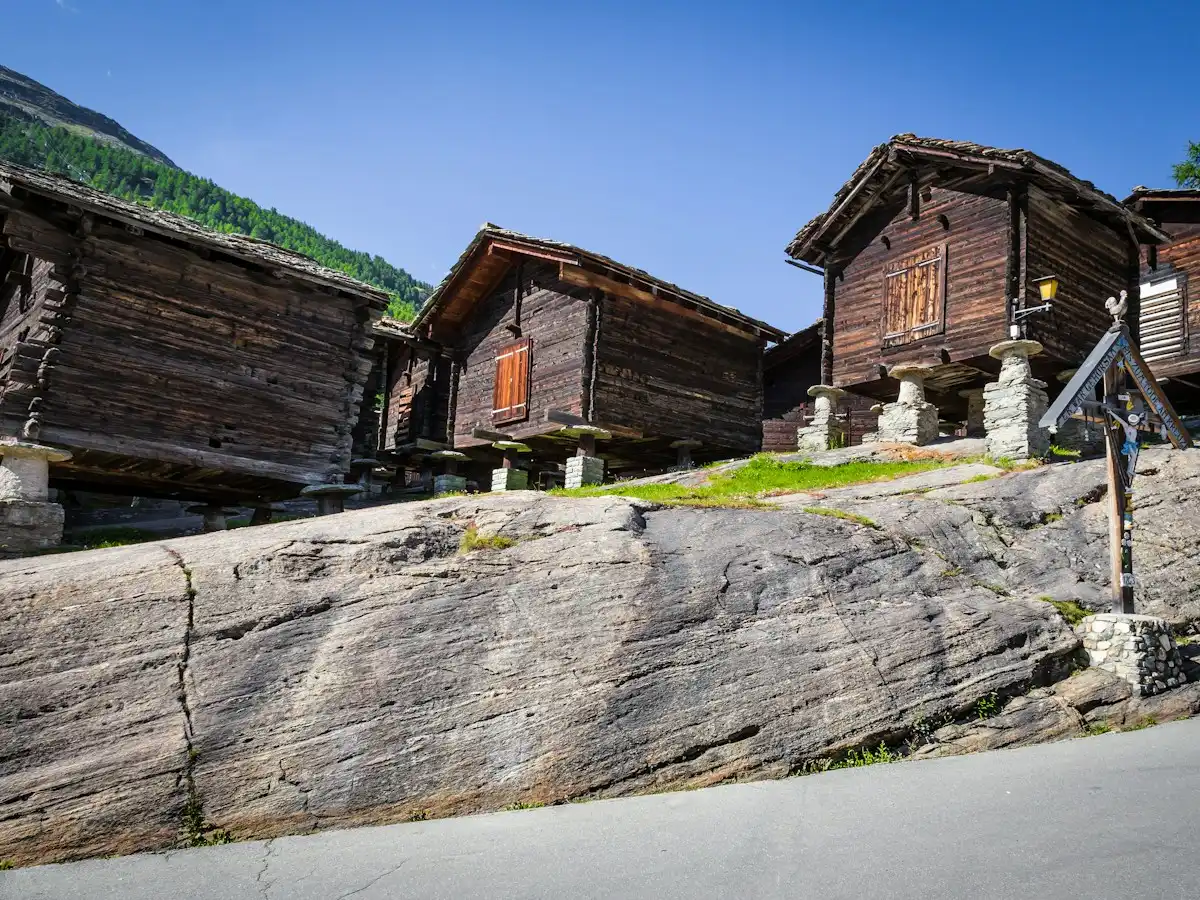
Valais
A half-wheel is melted by the fire and scraped onto potatoes, with pickled onions and gherkins on the side.
Valais raclette cheese has protected AOP status.
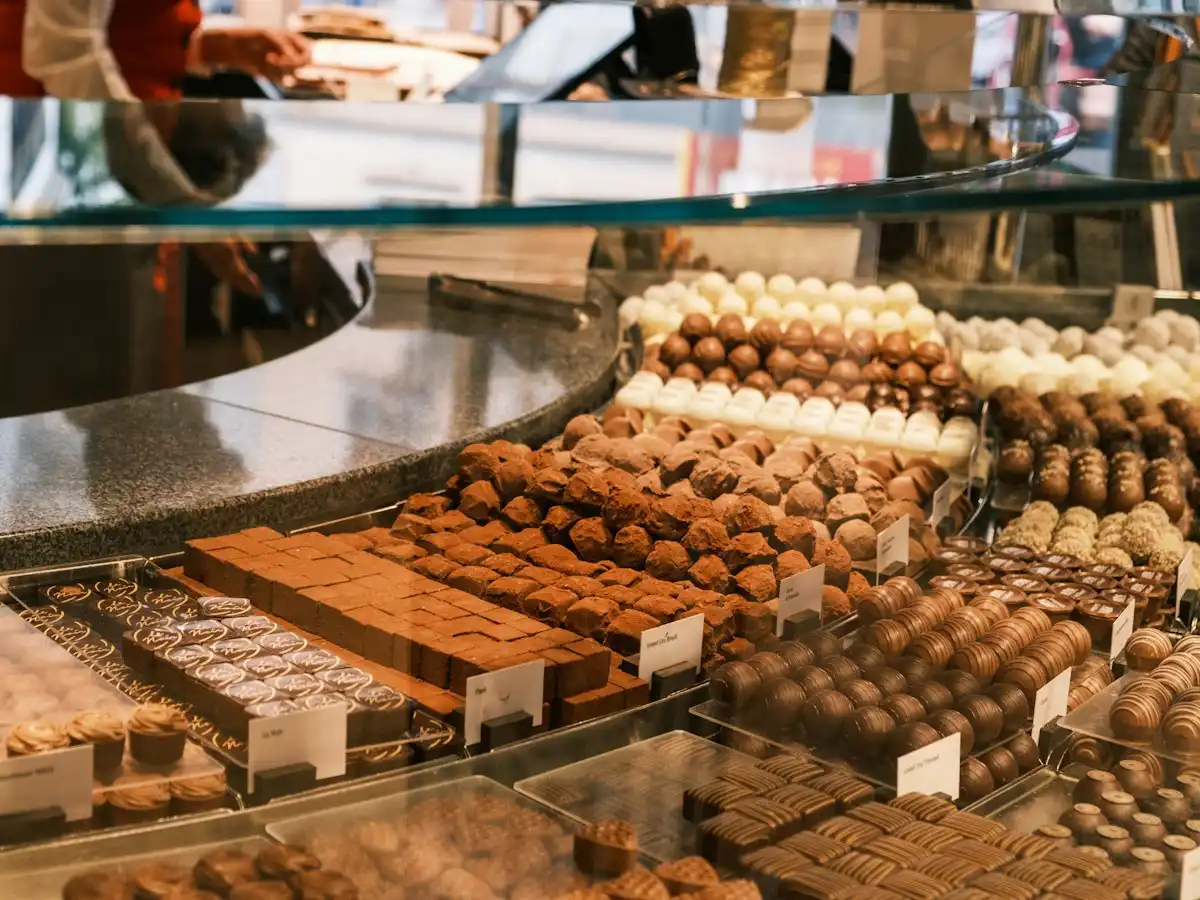
Zurich, Broc, Bern
Milk chocolate was perfected here in the 1870s. Visit a chocolatier, or a factory tour like Maison Cailler in Broc.
Supermarket chocolate here is excellent — no need to overspend.
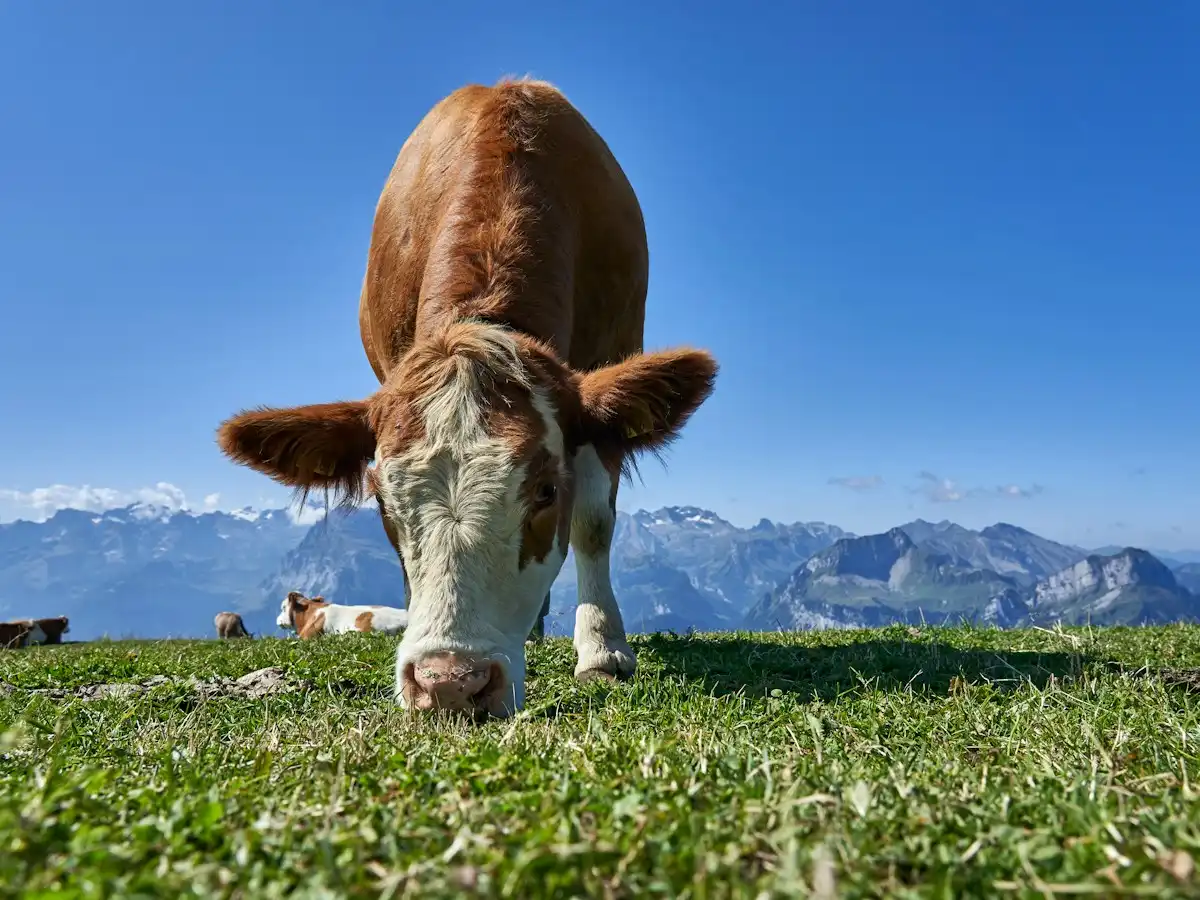
Appenzell, Gruyères, Emmental
In summer, cows graze high pastures and cheese is made on the alp. Show dairies explain how a wheel is born.
Look for “Alpkäse” — cheese made on the summer pasture.
Also worth it
(05) Festivals
Swiss traditions are local, loud and very well organised. Plan a trip around one of these and you will remember it.
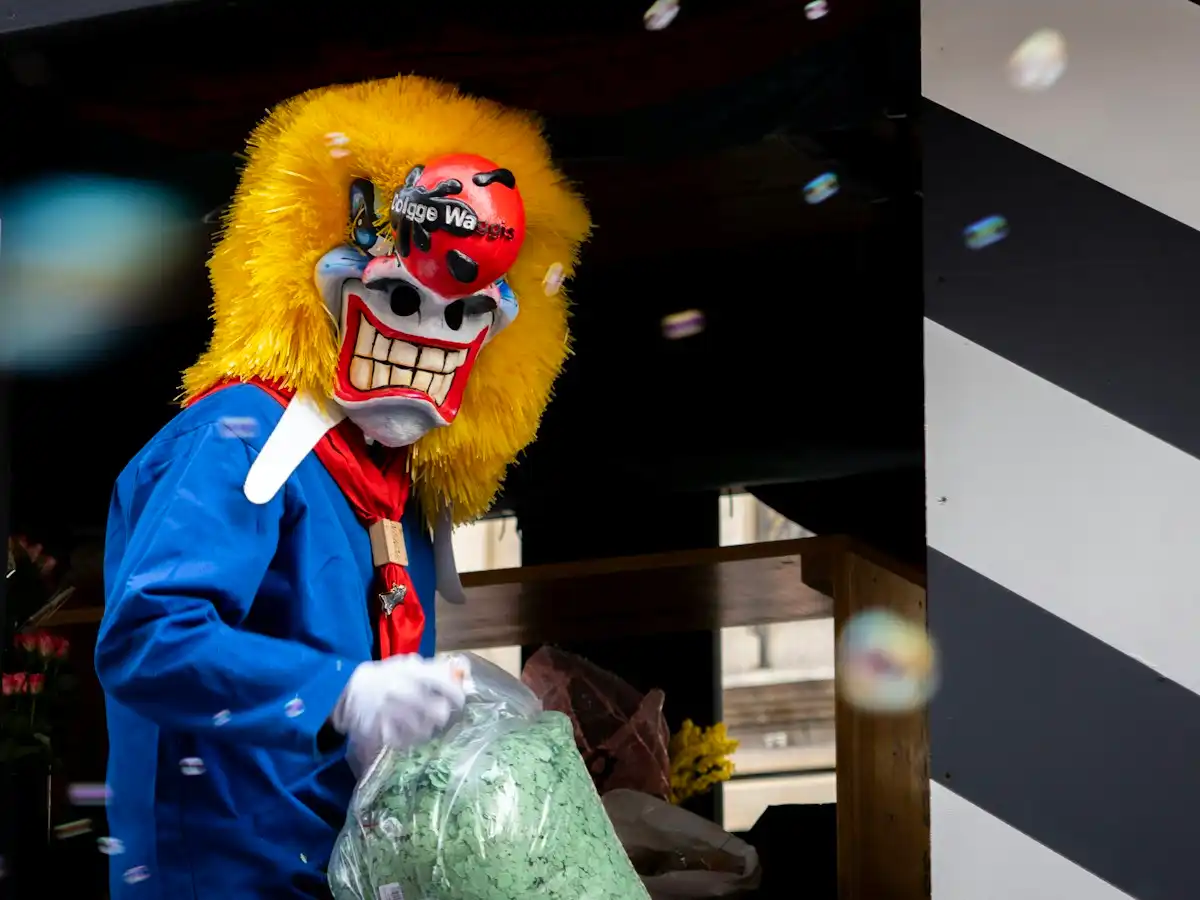
Basel · Feb or Mar
At 4 a.m. on the Monday after Ash Wednesday the city lights go out for the Morgestraich, and 72 hours of fifes, drums and lanterns begin.
Don’t wear a costume — in Basel, spectators don’t.
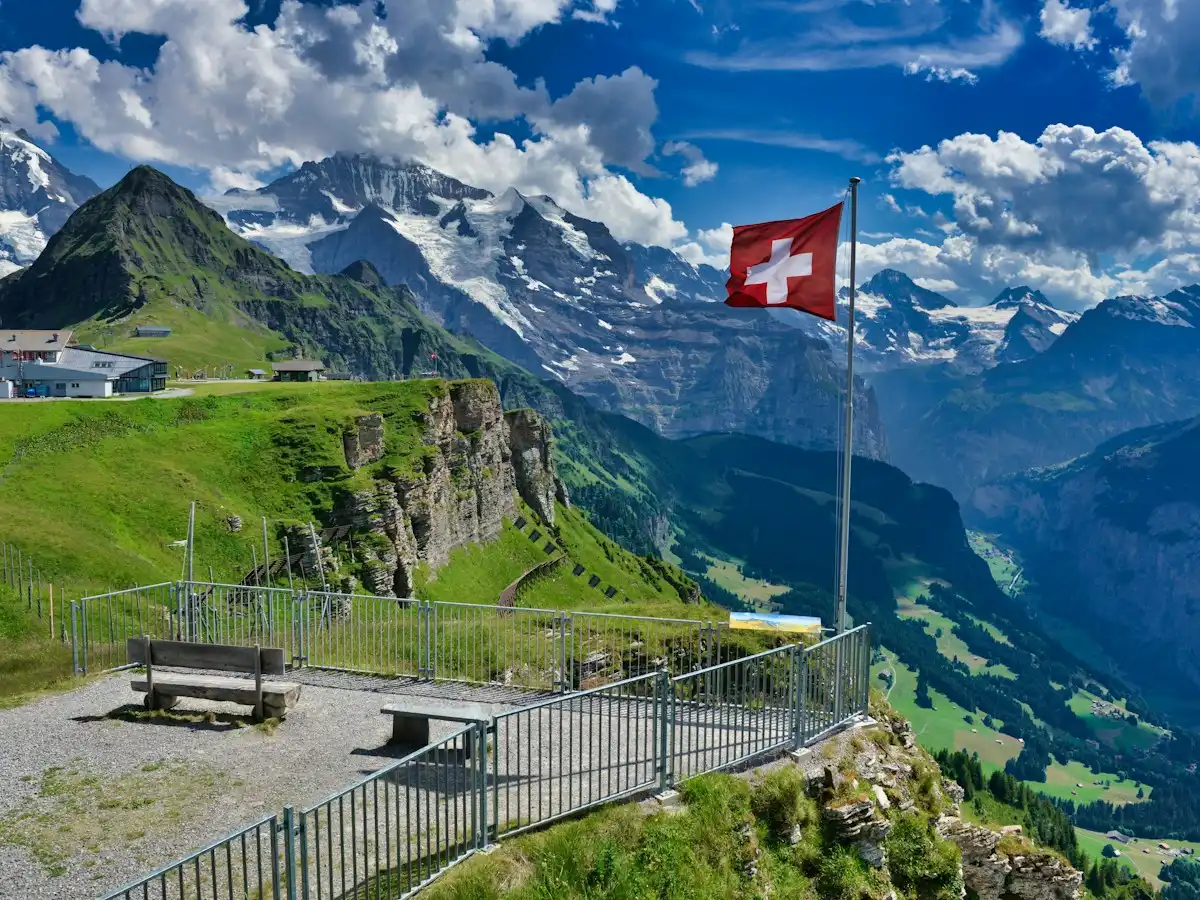
Everywhere · 1 August
Bonfires on the hills, lantern parades, fireworks over the lakes and brunch on farms across the country.
Shops close; book restaurants in advance.
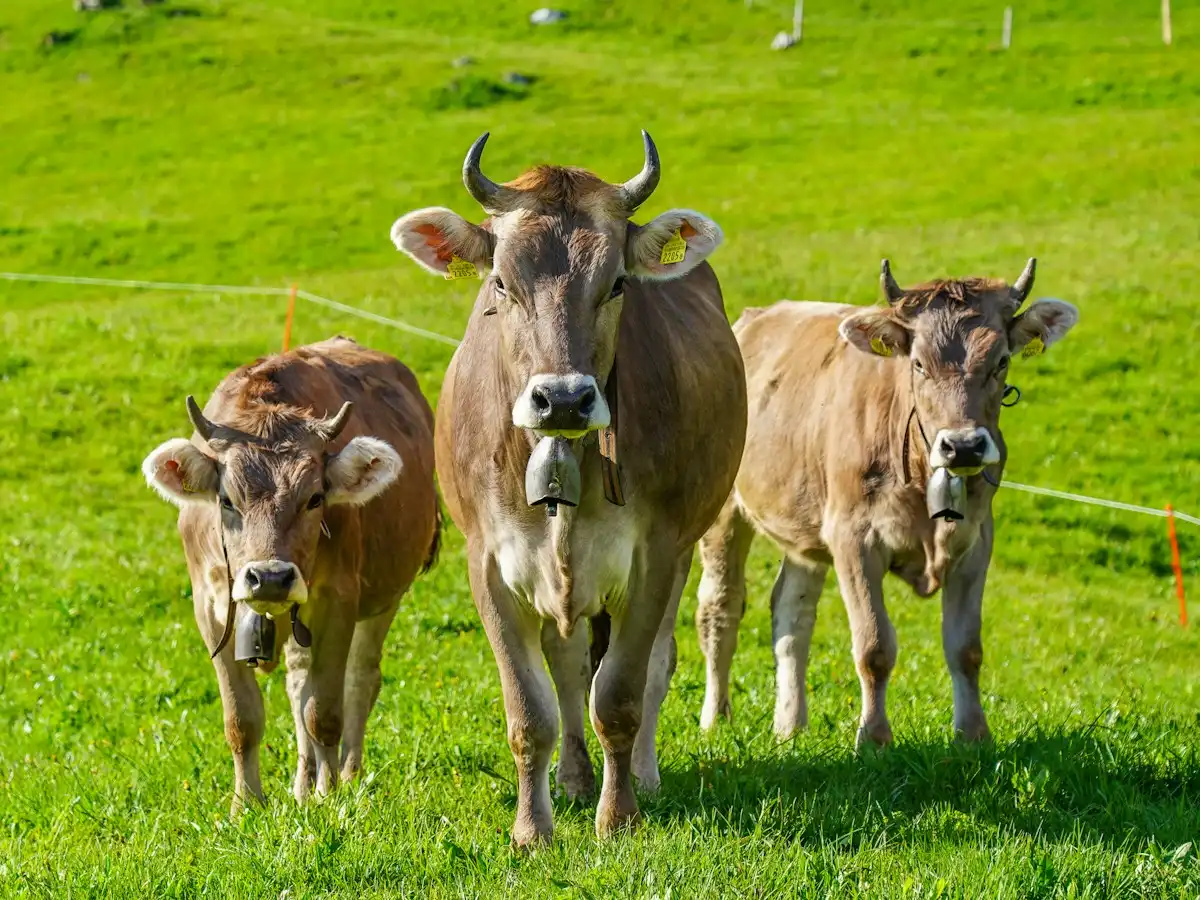
Alpine villages · Sep — Oct
Called Alpabzug or Désalpe: cows decorated with flowers and huge bells walk down from the summer pastures, followed by the whole village.
Dates depend on the weather — check the village website the week before.
Also worth it
(06) Winter
From December to March the Alps turn quiet and blue. You don’t need to ski to love it.
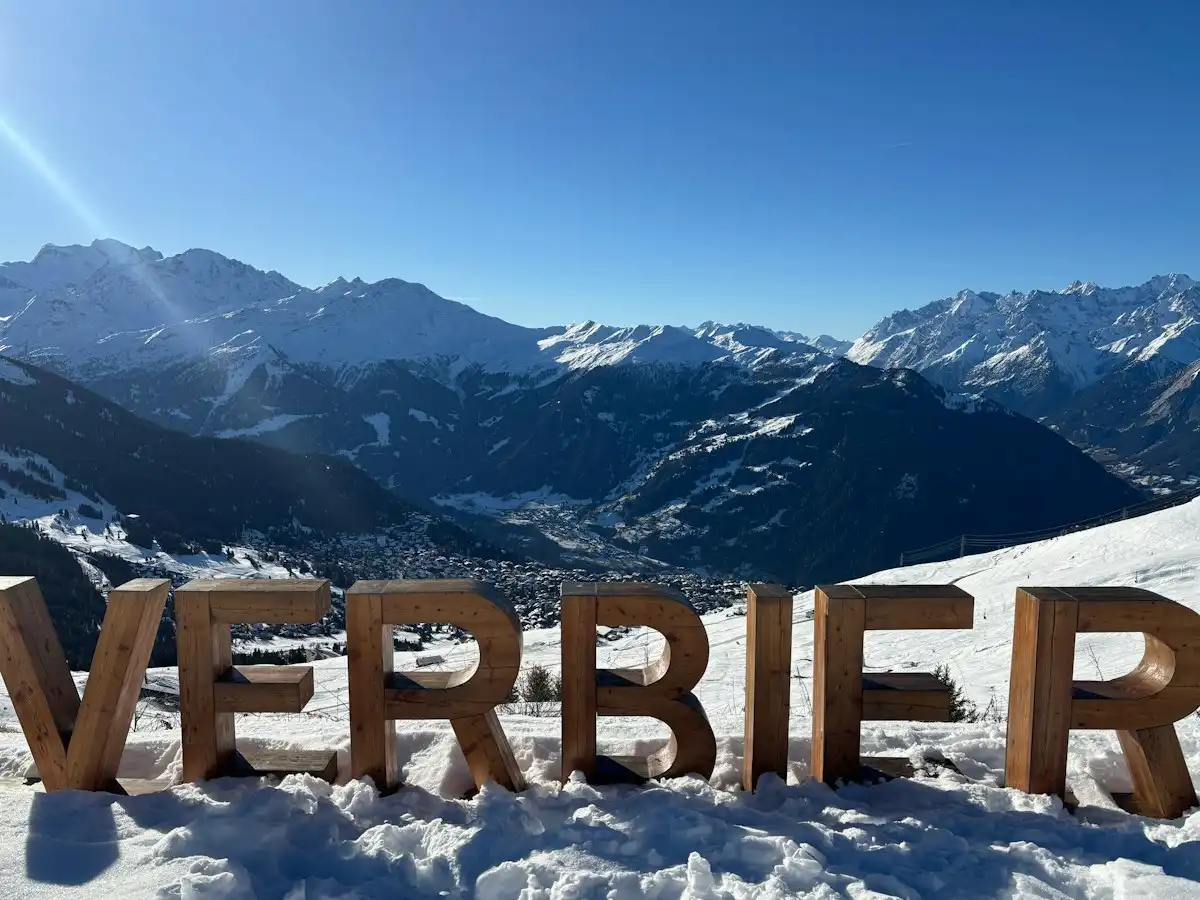
Verbier, Zermatt, St. Moritz, Jungfrau
From the Matterhorn glacier to the wide sunny slopes of the Engadin — big resorts with efficient lifts and pistes for every level.
Weekday skiing outside school holidays is much quieter.
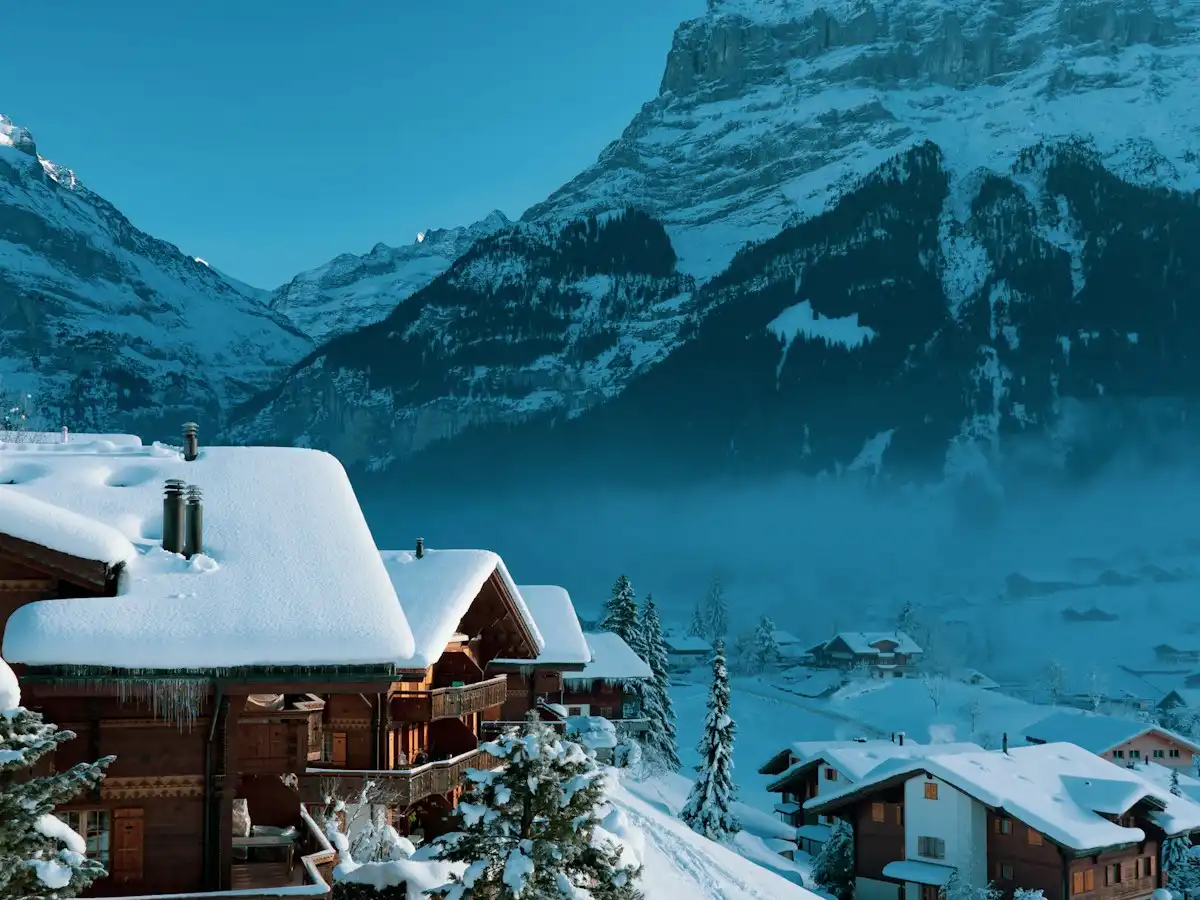
Grindelwald, Wengen, Engadin
Groomed sledge runs and winter hiking trails mean anyone can be out in the snow all day. Rent a wooden sledge at the station.
Many runs finish at a station — ride back up and go again.
Also worth it